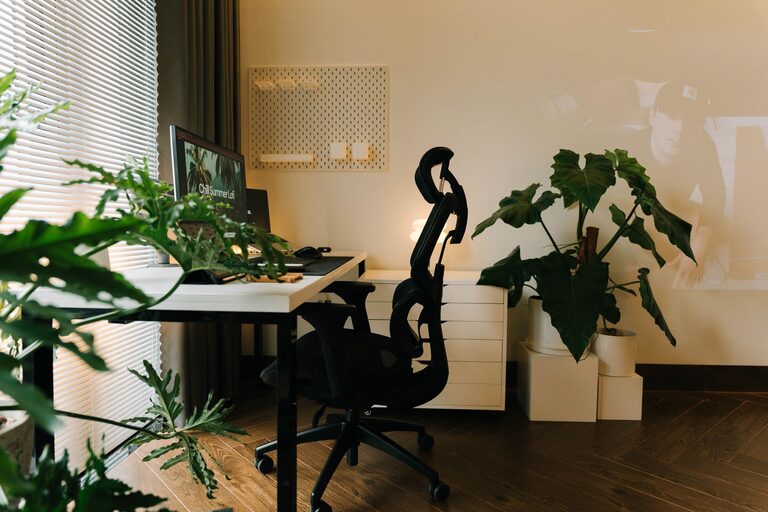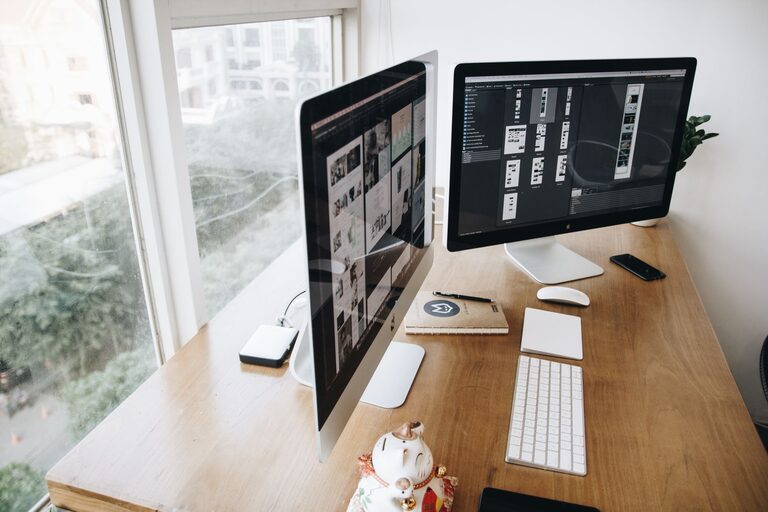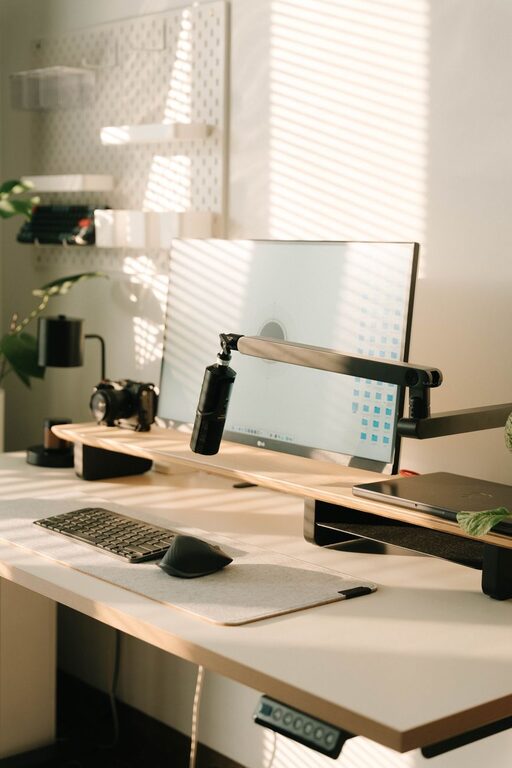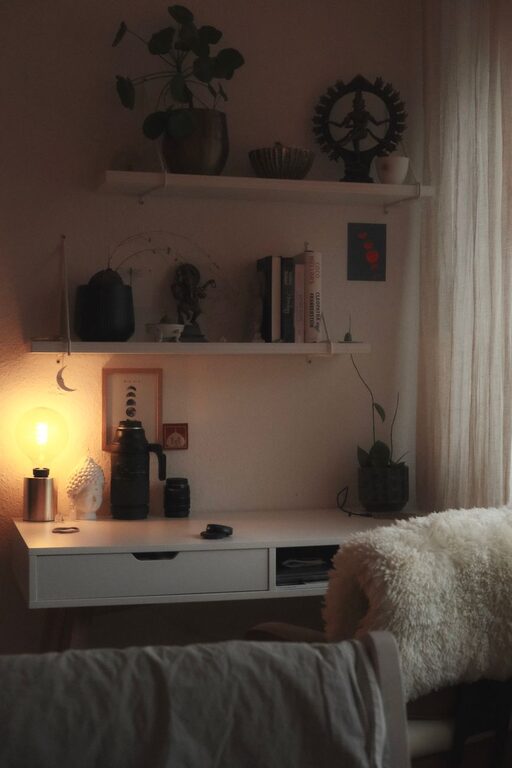

Creating a relaxing home office environment is essential for maintaining productivity and well-being, especially if you spend many hours working from home. A calm and comfortable workspace helps reduce stress, improve focus, and make your workday more enjoyable. Whether you have a dedicated room or a small corner, these tips will help you create a home office that feels inviting and supports your best work.
1. Choose the Right Location
Your workspace should be in a quiet part of your home where distractions are minimal. If possible, pick an area that receives natural light. Sunlight can improve your mood and help regulate your internal clock, making you feel more alert during the day.
– Avoid spots near busy household areas like the kitchen or living room.
– Use a room divider or curtain if you’re working in an open space to create a sense of separation.
– Position your desk near a window for fresh air and sunlight.
2. Invest in Comfortable Furniture
Comfort is key when setting up a home office. Poor posture can cause discomfort and even long-term health issues, so it’s important to choose ergonomic furniture.
– Get an adjustable chair with good lumbar support.
– Use a desk at the right height to prevent strain on your wrists and shoulders.
– Consider a standing desk or a desk converter for occasional standing breaks.
3. Organize Your Space
A cluttered workspace can increase stress and make it harder to focus. Keeping your office neat and organized helps create a clear mind.
– Use shelves, drawers, and organizers to keep supplies in order.
– Label storage containers for easy access.
– Keep only essential items on your desk and store the rest out of sight.
4. Add Soothing Colors and Decor
Colors can have a big impact on your mood and productivity. Soft, neutral tones or pastel shades create a calm atmosphere, while bright colors can add energy if that’s what you prefer.
– Paint your walls a calming color like light blue, green, or beige.
– Decorate with plants to bring nature indoors and improve air quality.
– Hang artwork that inspires and soothes you.
5. Control Lighting
Good lighting reduces eye strain and helps maintain energy levels throughout the day.
– Use a combination of natural and artificial light.
– Position your computer screen to avoid glare.
– Add a desk lamp with adjustable brightness for focused tasks.
6. Minimize Noise Distractions
Noise can break your concentration and increase stress. Finding ways to minimize sound disturbances is important.
– Use noise-canceling headphones if you work in a noisy environment.
– Add soft furnishings like rugs, curtains, and cushions to absorb sound.
– Consider a white noise machine or calming background music.
7. Personalize Your Workspace
Your home office should reflect your personality and make you feel comfortable.
– Add personal touches such as photos, artwork, or meaningful objects.
– Display motivational quotes or reminders to stay positive.
– Choose items and decorations that inspire you without causing clutter.
8. Incorporate Movement Breaks
Sitting for long periods can negatively affect your health. Plan short breaks to stretch or move.
– Set a timer to remind yourself to stand every hour.
– Use your break for light stretching exercises.
– Consider a balance ball chair or a footrest to vary your posture.
9. Keep Technology User-Friendly
Make sure your devices and tools help rather than hinder your productivity.
– Organize cables with clips or sleeves to avoid tangles.
– Position your monitor at eye level.
– Use a wireless keyboard and mouse for more flexibility.
10. Create a Routine and Boundaries
Having a dedicated work zone and a clear routine helps separate work from personal life.
– Start and end your workday at consistent times.
– Set boundaries with family or roommates to minimize interruptions.
– At the end of the day, clear your desk to signal that work time is over.
—
Creating a relaxing home office environment doesn’t require a large budget or extensive renovations. By paying attention to comfort, organization, lighting, and personalization, you can design a space that supports your productivity and well-being. Remember, your workspace is where you spend much of your day, so make it as pleasant and calming as possible!
About the Author