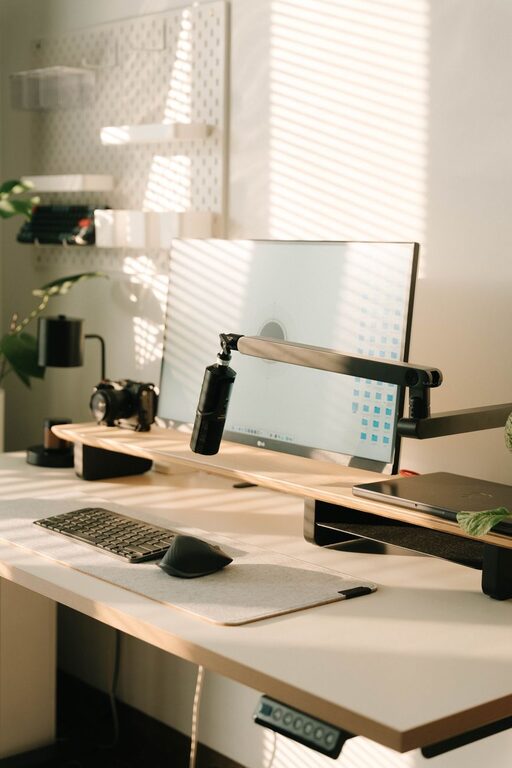
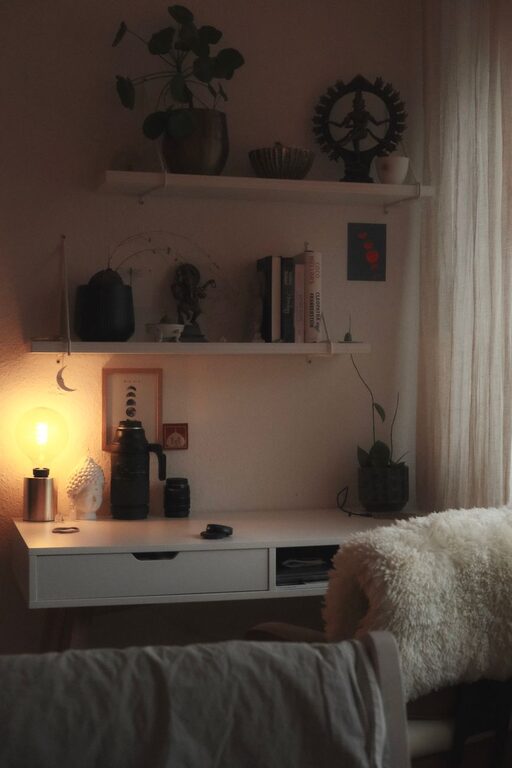
Creating a well-organized home office can make a significant difference in your daily productivity and overall comfort. Whether you work remotely full-time or need a dedicated space for occasional tasks, an organized workspace helps reduce distractions and increase efficiency. Below are simple tips to help you organize your home office effectively.
Why Organizing Your Home Office Matters
A cluttered or disorganized workspace can lead to stress, lost time, and reduced focus. On the other hand, an organized office promotes clarity, helps you stay on task, and makes your work environment more inviting. By taking steps to optimize your home office, you’re setting yourself up for better work habits and greater satisfaction.
Choose the Right Location
Consider Lighting and Noise Levels
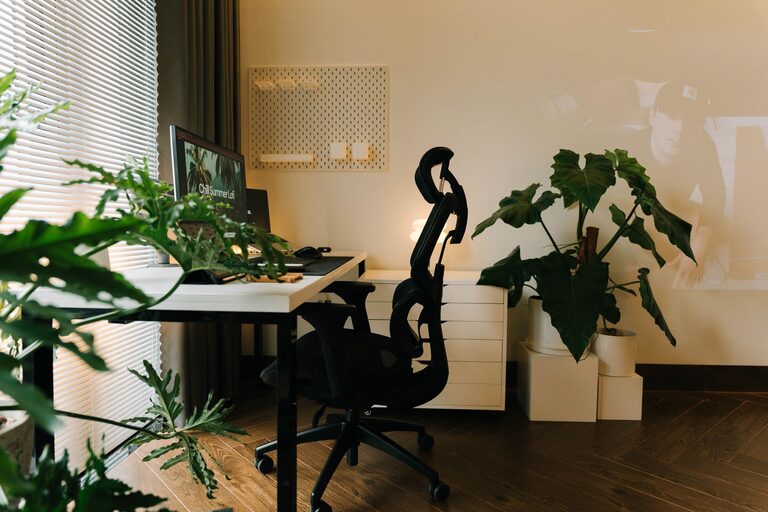
Pick a spot in your home with plenty of natural light if possible. Natural light can improve mood and reduce eye strain. Make sure the location is relatively quiet or meets your noise preferences, so distractions are minimized.
Space and Layout
Ensure the area allows enough room for essential furniture like a desk and chair, as well as storage. Measure your space beforehand to select appropriately sized furniture.
Invest in Comfortable and Functional Furniture
Your chair and desk are the foundation of your home office. Choose a chair that provides good back support and adjustability to prevent discomfort during long work hours. A desk with enough surface area helps you keep needed items within reach without cluttering.
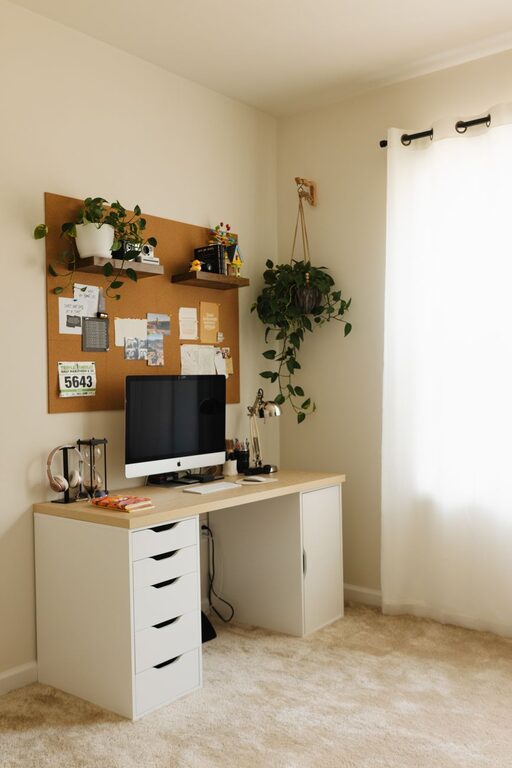
Consider furniture with built-in storage or shelves to maximize space and keep essentials organized.
Declutter and Minimize
Sort and Purge Unnecessary Items
Go through papers, office supplies, and equipment. Sort what you use regularly from what you don’t. Recycle or discard items that are no longer needed.
Keep Only Essentials on Your Desk
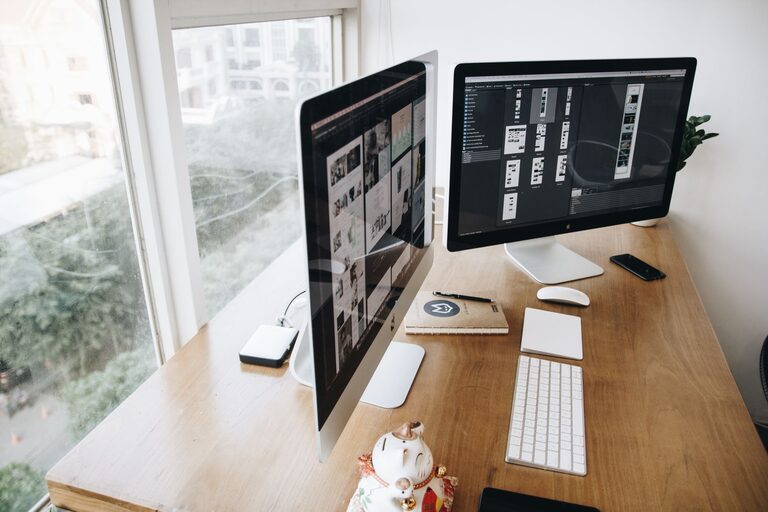
Limit the number of items you keep on your desk to avoid distractions. Aim for a clean surface with only your computer, a few office supplies, and perhaps a personal item like a photo or plant.
Create a System for Paperwork
Use Filing Solutions
Designate folders, files, or binders for bills, receipts, projects, and other paperwork. Label them clearly for quick access.
Digital Alternatives
Scan important documents and organize them in digital folders. Reducing physical papers can save space and prevent clutter.
Organize Office Supplies
Utilize Small Containers and Drawers
Use containers, trays, or drawer organizers to separate pens, paper clips, sticky notes, and other supplies. This makes it easier to find what you need quickly.
Replenish Supplies Regularly
Keep a small stock of essentials and replace items before they run out to avoid interruptions.
Optimize Cable Management
Tangled cords create visual clutter and can be frustrating. Use cable clips, ties, or sleeves to bundle cables neatly. Position power strips under or behind your desk to keep cords out of sight.
Personalize Your Space Thoughtfully
A few personal touches can make your home office more comfortable and enjoyable. Consider adding a small plant, artwork, or photos. However, avoid overdecorating as this can distract from work.
Keep Your Workspace Clean Daily
Spend a few minutes at the end of each day tidying your desk. Clear away papers, organize supplies, and wipe down surfaces. A clean workspace helps you start each day refreshed.
Use Task Lighting
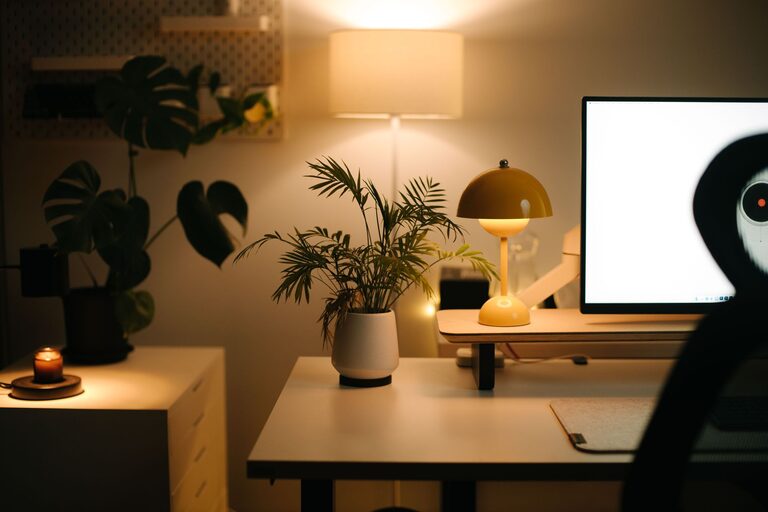
In addition to natural light, use a desk lamp with adjustable brightness to reduce eye strain during evening work sessions.
Incorporate Ergonomic Tools
Items like a keyboard wrist rest, monitor stand, or footrest can improve comfort and posture, contributing to better productivity.
Plan Your Work Zones
If space allows, allocate specific areas for different activities. For example, a computer workstation, a writing space, and a spot for reading. Separating tasks physically can keep you organized and focused.
Final Thoughts
Transforming your home office into an organized, comfortable, and efficient workspace doesn’t require major renovations. By implementing these simple tips, you’ll create an environment that supports your work habits and improves your overall well-being. Regularly assessing and adjusting your setup ensures your office continues to meet your needs as they evolve. A well-organized home office is one of the best investments you can make in your productivity and work-life balance.
About the Author