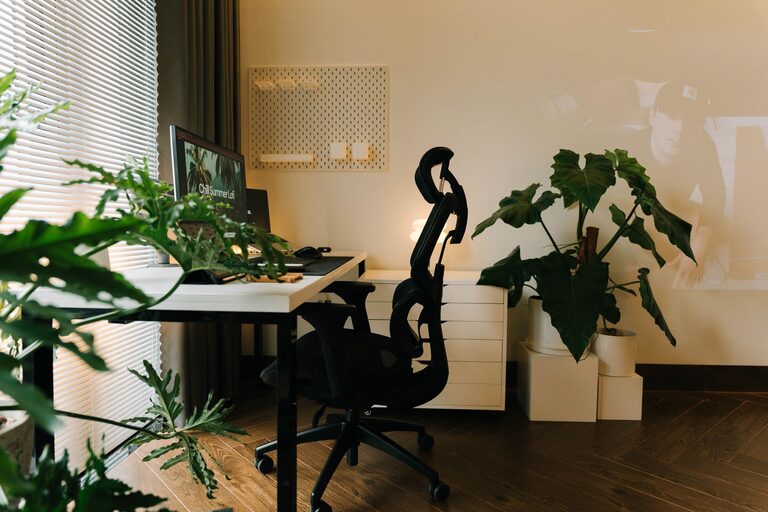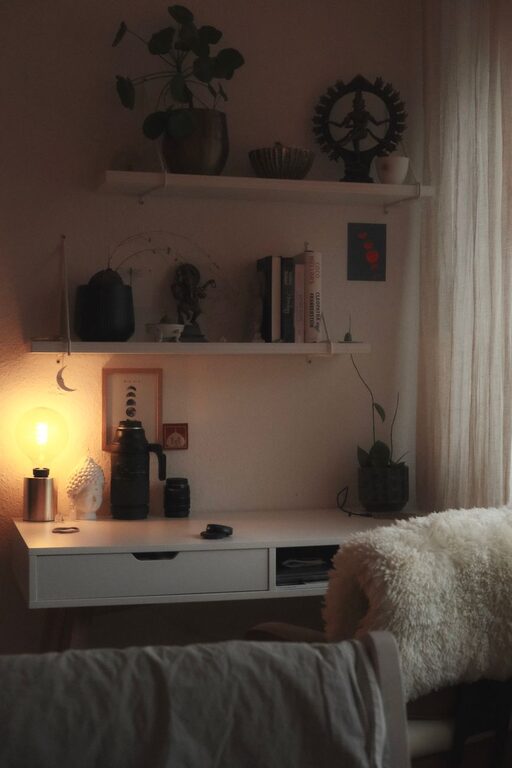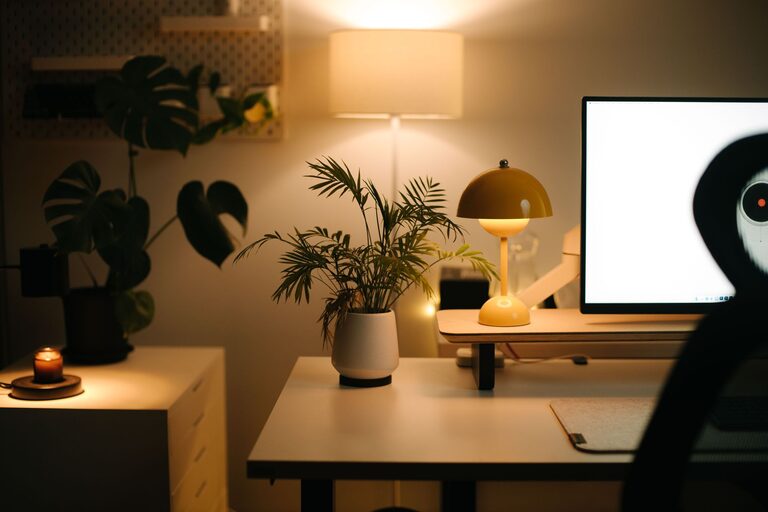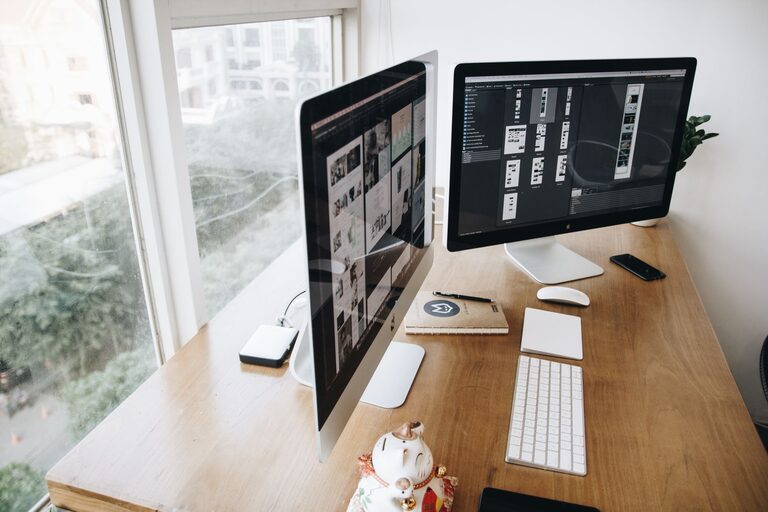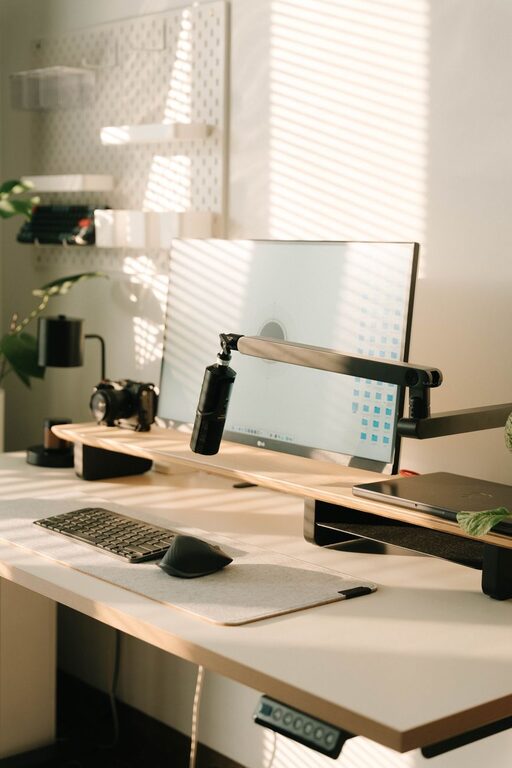
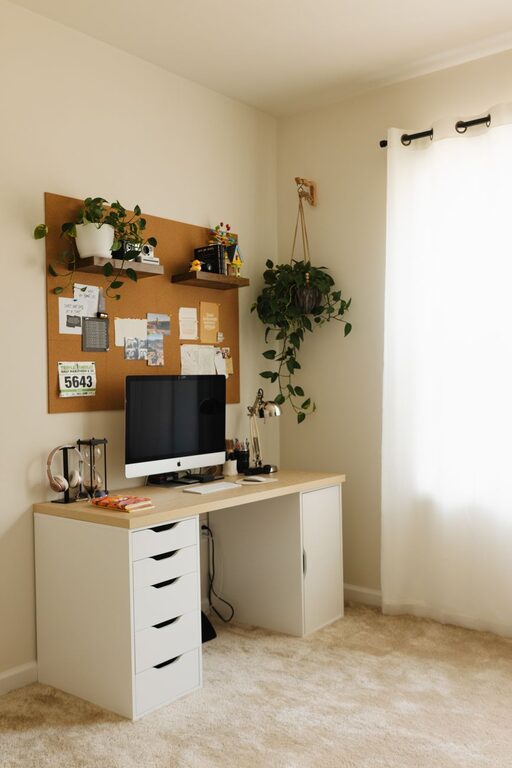
Creating a relaxing home workspace is essential for maintaining productivity and well-being when working from home. A comfortable and clutter-free environment can help reduce stress, improve focus, and make your workday more enjoyable. Whether you have a dedicated office room or a small corner in your home, these tips will help you create a workspace that feels calm, inviting, and efficient.
Choose a Quiet and Comfortable Spot
The first step in setting up your workspace is finding a location that minimizes distractions. Look for a quiet corner or room where you can focus without frequent interruptions.
– Natural Light: If possible, choose a spot near a window. Natural light can boost your mood and energy.
– Ventilation: Good airflow keeps the space fresh and comfortable throughout the day.
– Separation: Try to keep your workspace away from high-traffic areas to reduce noise and interruptions.
Invest in Ergonomic Furniture
Comfort plays a major role in your ability to concentrate and avoid physical strain.
– Ergonomic Chair: Choose a chair with good lumbar support and adjustable height.
– Desk Height: Ensure your desk is at a comfortable height so you can work without hunching.
– Monitor Placement: Position your monitor at eye level to prevent neck strain.
– Footrest: If your feet don’t rest flat on the floor, consider using a footrest.
Keep the Space Organized and Clutter-Free
An organized workspace can help clear your mind and increase efficiency.
– Storage Solutions: Use shelves, drawers, or organizers to keep supplies in order.
– Minimalist Approach: Keep only essential items on your desk to reduce distractions.
– Daily Clean-Up: Spend a few minutes at the end of each day tidying your workspace.
Add Personal Touches Thoughtfully
Personalizing your workspace can make it more inviting but avoid overcrowding it.
– Plants: Small plants bring life and color. They also improve air quality and reduce stress.
– Artwork or Photos: Choose calming images that inspire you.
– Decor Items: Simple decor like a vase or a candle can create a cozy atmosphere.
Control Lighting and Reduce Eye Strain
Proper lighting is key for comfort and focus.
– Balanced Lighting: Combine natural light with soft artificial light like desk lamps.
– Avoid Glare: Position your screen to avoid reflections or intense sunlight.
– Adjust Screen Brightness: Match your device brightness to the ambient light in the room.
Use Soothing Colors and Scents
Colors and scents influence mood and concentration.
– Color Scheme: Soft, neutral colors like light blue, green, or beige are relaxing choices.
– Aromatherapy: Consider subtle scents like lavender or eucalyptus with a diffuser to promote calmness.
Establish Clear Boundaries
To maintain a relaxing workspace, set boundaries between work and personal life.
– Dedicated Work Hours: Stick to set times so work doesn’t overflow into relaxation periods.
– Physical Boundary: Close the door or use room dividers to separate your workspace.
– Digital Boundaries: Turn off work notifications outside working hours to disconnect.
Incorporate Movement Breaks
Staying sedentary can increase tension and stress.
– Stretching: Take short breaks to stretch your neck, shoulders, and back.
– Walks: Step away from your desk for brief walks around your home or outside.
– Desk Exercises: Try simple seated exercises to keep your body energized.
Use Technology Wisely
Technology can help or hinder relaxation.
– Noise-Canceling Headphones: Use them to block out distracting sounds and focus better.
– Productivity Apps: Use timers or apps to manage work sessions and breaks.
– Cable Management: Organize cables to prevent mess and frustration.
—
Creating a relaxing home workspace is about balancing comfort, functionality, and personal style. By thoughtfully arranging your environment, managing distractions, and incorporating calming elements, you can foster a productive and serene work atmosphere that supports your overall well-being. Start with small changes, and gradually customize your space until it feels just right for you.
About the Author