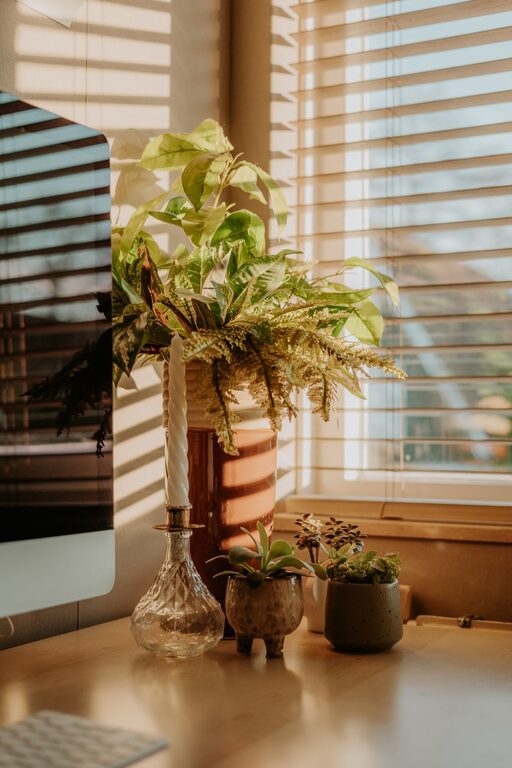
Creating a relaxing home workspace is essential for maintaining productivity, focus, and well-being—especially as more people spend time working from home. When you design a space that feels calm and inviting, it helps reduce stress and makes it easier to concentrate on your tasks. Whether you have a dedicated room or just a small corner, these tips will guide you in setting up a workspace that supports both comfort and creativity.
Choose the Right Location
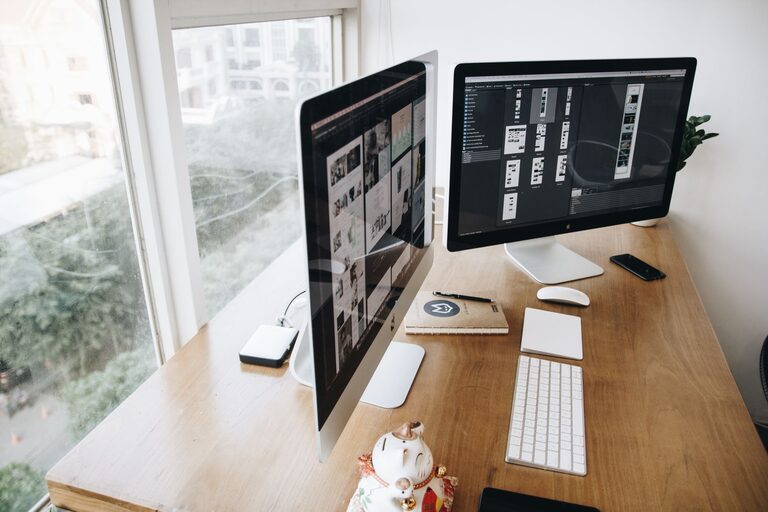
The first step is selecting the best spot in your home for your workspace. Ideally, this area should be quiet, away from heavy foot traffic, and have good natural light. If possible, choose a space near a window to enjoy fresh air and sunshine, which can boost your mood and energy levels.
Avoid placing your desk in a spot with distractions like the television, kitchen, or noisy roommates. If your home is small, consider using a room divider or positioning your desk so you face a peaceful wall rather than a busy doorway.
Invest in Comfortable Furniture
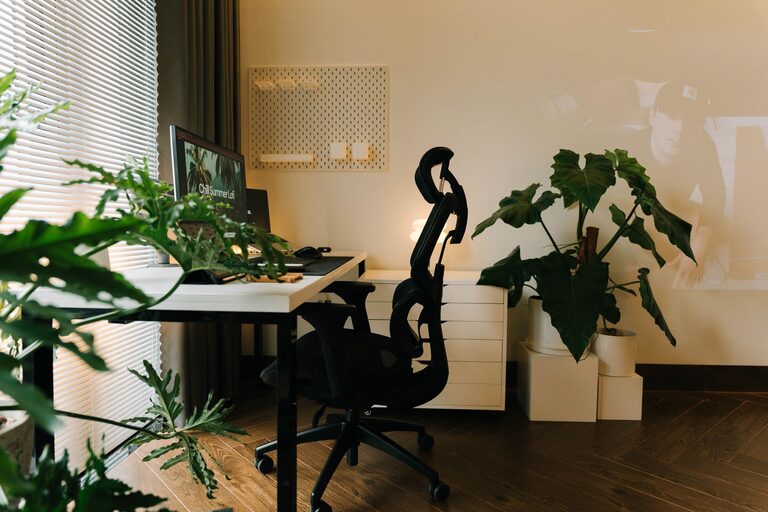
Comfort plays a critical role in making your workspace relaxing. Invest in an ergonomic chair that supports your back and encourages good posture. A desk at the right height helps prevent strain on your neck, wrists, and shoulders.
If a traditional office chair isn’t an option, add cushions or lumbar support to your existing chair. Also, consider a desk with enough surface area to hold your computer, notebook, and any other essentials without feeling cluttered.
Use Soothing Colors and Decor
Colors affect mood, so choose a color scheme that promotes calm and focus. Soft neutrals like beige, light gray, or pale blue work well for walls and furniture. You can add pops of color through accessories such as cushions, art prints, or plants to keep the space lively without overwhelming it.
Keep your decor simple and personal. Photos, artwork, or small objects that inspire you can add warmth without cluttering your space. Avoid overly bright or busy patterns that could distract you while working.
Maximize Natural and Artificial Lighting
Good lighting reduces eye strain and enhances your overall comfort. Natural light is ideal, so position your desk near windows if possible. To control glare on your screens, use blinds or curtains as needed.
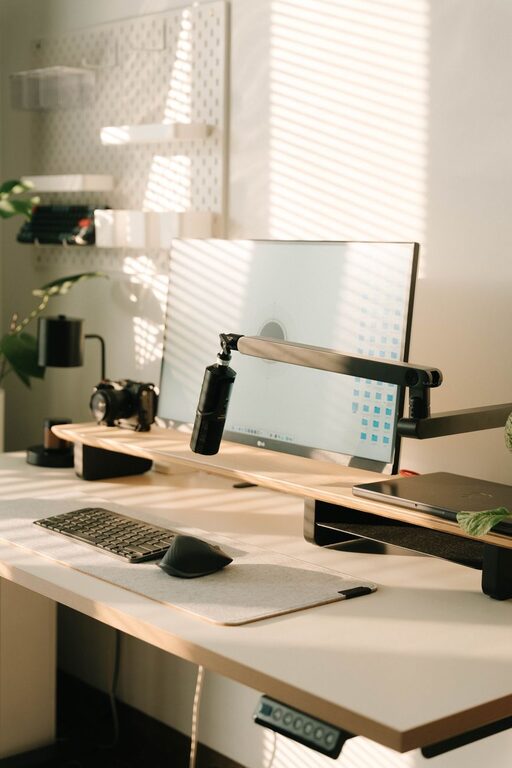
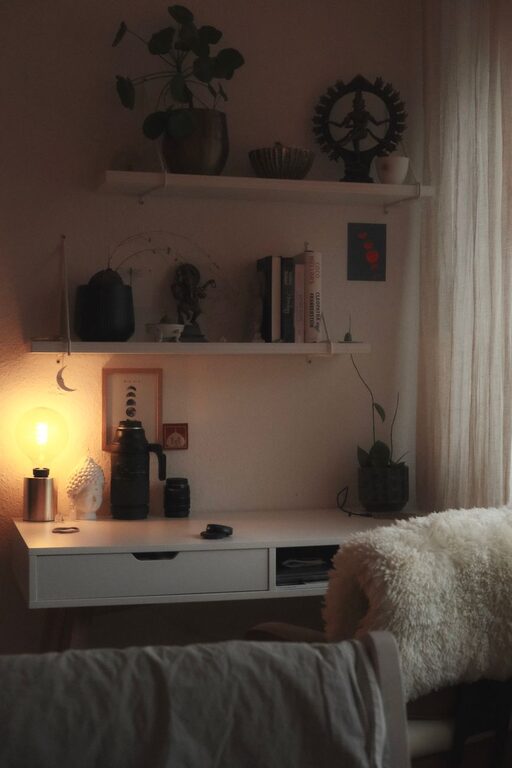
In addition to natural light, use adjustable desk lamps with warm or neutral white bulbs. Avoid harsh fluorescent lighting, which can cause headaches or fatigue. A layered lighting approach, combining ambient room lighting and focused task lighting, creates a cozy yet functional environment.
Keep Your Workspace Organized
A clutter-free desk helps clear your mind and improves productivity. Use organizers, trays, or drawers to keep papers, pens, and other supplies tidy. Establish a system for managing documents and digital files so nothing piles up unnecessarily.
Set aside a few minutes at the end of each workday to tidy your space. This practice keeps your environment inviting and signals the end of work, helping you switch off and relax afterward.
Add Plants or Natural Elements
Bringing nature indoors adds a refreshing touch and can improve air quality. Small potted plants like succulents, spider plants, or peace lilies are easy to care for and look great on desks or shelves.
If you don’t have a green thumb, consider artificial plants or natural materials like wood and stone. These elements can create a soothing atmosphere and connect you to the outdoors even when inside.
Incorporate Calming Scents and Sounds
Scent and sound significantly impact relaxation and concentration. Use essential oil diffusers or candles with calming scents such as lavender, eucalyptus, or chamomile. Always use flame-free options if safety is a concern.
For background noise, try nature sounds, soft instrumental music, or white noise machines. These sounds can mask distracting noises and create a peaceful environment without interfering with your focus.
Personalize Your Space Mindfully
A workspace should reflect your personality while remaining functional. Display items that motivate or make you happy, such as inspirational quotes, personal achievements, or souvenirs from travels. However, avoid overcrowding your desk with too many decorations.
Keep your workspace balanced by mixing personal touches with practical tools to maintain a professional yet comfortable atmosphere.
Take Breaks and Move Around
No workspace is complete without considering how you use it throughout the day. Schedule regular breaks to stand up, stretch, or walk around. Movement helps reduce fatigue and keeps your mind fresh.
You might add a small yoga mat or foam roller nearby for quick stretches or practice deep breathing to reset during stressful moments.
—
By carefully designing your home workspace with these tips in mind, you create an environment that supports relaxation, focus, and productivity. Remember, your workspace can evolve as your needs do, so feel free to adjust and personalize it to maintain comfort and enjoyment in your work routine.
About the Author